The Gig Economy in South Africa Is Growing — Here Is How to Get Your Share in 2026
South Africa has one of the highest unemployment rates in the world — but in 2026, a growing number of people are not waiting for a formal job offer to start earning. They are turning to the gig economy: a world of flexible, platform-based work that lets you choose your own hours, build your own income, and be your own boss.
The gig economy is not a replacement for stable employment, and it comes with real trade-offs. But for millions of South Africans — whether unemployed, underemployed, or simply looking for extra income — it represents one of the most accessible ways to start earning right now.
Here is a full breakdown of what is available in 2026, what you can realistically earn, and how to get started.
What Is the Gig Economy
The gig economy is a labour market made up of short-term, flexible, and freelance work — usually connected through digital platforms or apps. Instead of working for one employer full time, gig workers take on tasks, jobs, or projects for multiple clients or platforms, earning per job completed rather than per month.
In South Africa, the gig economy has matured significantly in 2026. It now spans everything from ride-hailing and food delivery to domestic cleaning, home repairs, content creation, graphic design, software development, and online tutoring. There is something for almost every skill level.
Physical Gig Work — For People With a Vehicle or Practical Skills
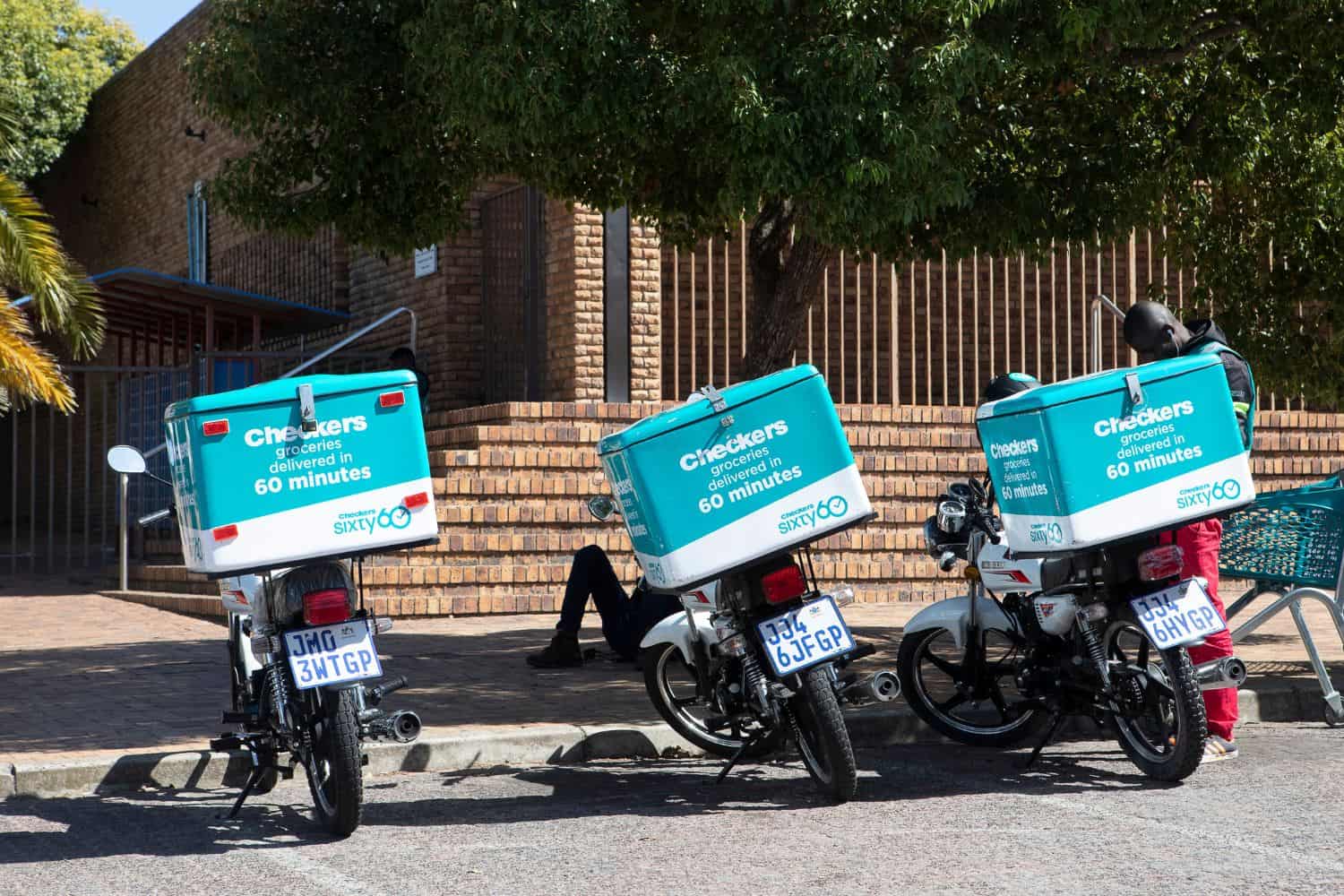
The most well-known gig platforms in South Africa are the ride-hailing and delivery apps. Uber, Bolt, Mr D Food, Checkers Sixty60, and Zulzi all operate as platforms where independent workers earn per trip or delivery completed.
For ride-hailing, you need a registered vehicle, a valid driver's licence, and a relatively clean record to qualify. Earnings depend on how many hours you put in and which areas you work in — peak hours and busy nodes like Sandton, Cape Town CBD, and Durban North generate the most income.
Delivery riders on motorbikes can sign up for food and grocery delivery platforms with lower barriers to entry than car-based services. The physical gig economy has also seen platform updates in 2026 that include improved insurance for workers and faster payout cycles — addressing two of the biggest concerns gig workers previously raised.
For those with domestic or manual skills, platforms like SweepSouth and Kandua connect workers directly with clients who need cleaning, plumbing, electrical work, painting, and other home services. These platforms have become essential income tools for thousands of South Africans, with SweepSouth in particular having expanded beyond South Africa into other African markets and paying rates that meet or exceed the national minimum wage.
Digital and Online Gig Work — For People With Skills and a Data Connection
The fastest-growing part of South Africa's gig economy in 2026 is digital — and it has a significant advantage over physical gig work: you can earn in foreign currency.
Global freelancing platforms like Upwork and Fiverr connect South African workers with clients around the world. Because payments are made in US dollars or euros, even modest gig earnings translate into strong rand values given the current exchange rate. A South African graphic designer, copywriter, web developer, or digital marketer earning $500 per month on Upwork is taking home roughly R9,000 — without leaving home, without a commute, and without a formal employer.
The skills most in demand on global freelancing platforms include software and web development, graphic design and branding, content writing and copywriting, social media management, video editing, virtual assistance, and data entry. If you have any of these skills, a strong profile on Upwork or Fiverr could start generating income within weeks.
For those still developing skills, micro-tasking platforms offer smaller but accessible opportunities — completing surveys, testing websites, transcribing audio, or tagging images for technology companies. The pay is modest but the barrier to entry is almost zero.
Content Creation as a Gig Career
One of the most exciting developments in South Africa's 2026 gig economy is the growth of content creation as a legitimate income stream. An organisation called the Youth Content Collective is actively training young South Africans — particularly in major cities — to participate in the gig economy as professional content creators, equipping them with skills to work with brands and build a client portfolio from scratch.
If you have a smartphone and a willingness to learn, content creation — whether through photography, videography, social media management, or writing — is a gig path worth exploring seriously.
What to Watch Out For
The gig economy offers real opportunity, but it is not without risk. Gig workers in South Africa are classified as independent contractors, which means you do not automatically have access to UIF, paid leave, sick leave, or pension contributions that formal employees receive. You are essentially running your own small business — which means you are responsible for your own tax, your own equipment, and your own financial safety net.
Before committing to a platform full time, understand the fee structure, know when and how you get paid, and make sure you are earning enough after costs to make the work worthwhile.
Getting Started
The best approach is to start with what you already have — a car, a skill, a phone, or an internet connection — and pick one platform to test. Get familiar with how it works, build your rating, and grow from there.
For a full list of job opportunities including gig, freelance, and flexible work across South Africa, visit JoblySA.co.za.